
Modern smartphones are more powerful than ever — but charging confusion is also at an all-time high.
What does 120W charging actually mean? Is fast charging bad for battery health? Why do some chargers charge your phone quickly while others barely work? And do you really need an expensive charger?
If you’ve ever been confused by terms like USB PD, Quick Charge, GaN, PPS, wireless charging, or charging wattage, this guide explains everything in simple language.
By the end of this article, you’ll understand:
- How mobile charging works
- Which chargers are actually worth buying
- How to protect your battery health
- Which charging accessories suit your needs
And if you’re planning to upgrade your charging setup, this guide will also help you avoid wasting money on incompatible or low-quality chargers.
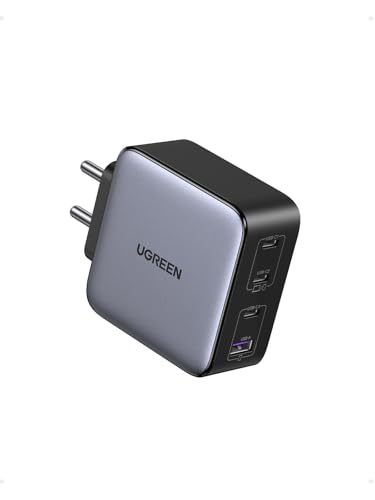
Upgrade Your Charging Setup
Still using an old slow charger?
Explore the latest fast chargers, USB-C cables, GaN adapters, and wireless chargers for faster and safer charging.
👉 Compare Best Fast Chargers
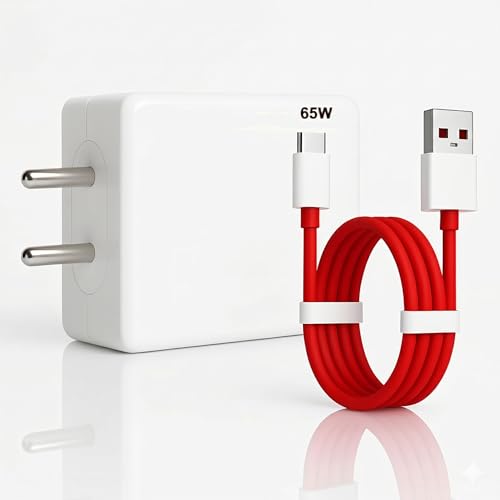
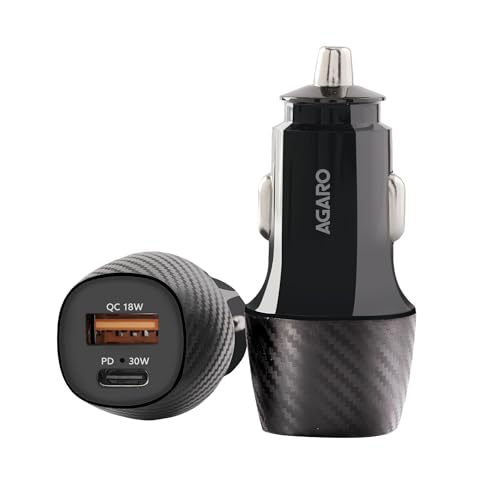
Quick Summary
Who Is This Guide For?
- Android and iPhone users
- Buyers upgrading chargers
- Travelers and professionals
- Users facing slow charging
- Anyone confused about charging technology
Key Takeaways
- USB-C + PD charging is becoming the global standard
- Fast charging is safe when used properly
- Charger quality matters more than raw wattage
- GaN chargers are smaller, cooler, and more efficient
- Cheap cables can slow charging speeds
- Wireless charging is convenient but usually slower
Mobile Charging Standards Comparison Table
| Charging Type | Speed | Best For | Pros | Cons |
|---|---|---|---|---|
| Standard Charging | Slow | Basic users | Cheap & safe | Very slow |
| Fast Charging | Medium-Fast | Daily users | Quick top-ups | Requires compatible charger |
| USB PD Charging | Fast | Modern phones/tablets | Universal compatibility | Slightly expensive |
| Quick Charge (QC) | Fast | Snapdragon phones | Widely supported | Less universal |
| PPS Charging | Adaptive Fast | Premium phones | Better heat control | Limited support |
| Wireless Charging | Moderate | Convenience users | Cable-free | Slower & warmer |
| GaN Chargers | Depends on wattage | Travelers/power users | Compact & efficient | Higher price |
What Is Mobile Charging?
Mobile charging is the process of transferring electrical power from a charger to your smartphone battery.
A charging system typically includes:
- Charger adapter
- Charging cable
- Charging protocol
- Smartphone charging controller
- Battery management system
The phone and charger communicate continuously to determine:
- Safe voltage
- Safe current
- Maximum charging speed
- Heat management
This is why using a poor-quality charger can reduce charging efficiency or even damage battery health.
How Fast Charging Works
Fast charging increases the power delivered to your phone battery.
The charging speed depends on:Power(W)=Voltage(V)×Current(A)
P=V×I
For example:
- 5V × 2A = 10W charging
- 9V × 3A = 27W charging
- 20V × 5A = 100W charging
Higher wattage usually means faster charging — but only if:
- The phone supports it
- The cable supports it
- The charger supports the same protocol
Common Fast Charging Technologies
USB Power Delivery (USB PD)
USB PD is now the most universal charging standard.
Best for:
- iPhones
- Samsung Galaxy phones
- Tablets
- Laptops
- Power banks
Benefits:
- Universal compatibility
- Smart power negotiation
- Safer charging
→ USB Type-C vs Lightning Explained
Qualcomm Quick Charge (QC)
Quick Charge is commonly found in Snapdragon-powered Android phones.
Benefits:
- Faster charging
- Broad Android support
Limitations:
- Less universal than USB PD
PPS Charging
Programmable Power Supply dynamically adjusts voltage and current.
Benefits:
- Better thermal management
- Improved battery protection
- Efficient high-speed charging
Found in:
- Samsung Super Fast Charging
- Premium flagship phones
Understanding Charging Wattage
What Does 18W, 33W, 67W, or 120W Mean?
Wattage indicates charging power.
General charging categories:
| Wattage | Charging Speed |
|---|---|
| 5W–10W | Slow |
| 18W–30W | Standard Fast Charging |
| 45W–67W | Very Fast Charging |
| 80W–120W+ | Ultra Fast Charging |
But higher wattage doesn’t always mean better real-world experience.
Factors like:
- Battery size
- Heat
- Charging curve
- Battery chemistry
also matter significantly.
Is 120W Charging Safe?
Modern phones use:
- Multi-layer cooling
- Smart charging chips
- Battery protection algorithms
So yes — branded fast charging systems are generally safe.
However:
- Cheap chargers are risky
- Excessive heat still affects long-term battery health
Is Fast Charging Bad for Battery Health?
USB Cable Types Explained
Micro USB
Older Android standard.
Cons:
- Slow charging
- Weak durability
- Limited data speed
Lightning Cable
Used mainly on older iPhones.
Benefits:
- Reliable ecosystem
Limitations:
- Less universal than USB-C
USB-C (Type-C)
The modern global standard.
Benefits:
- Faster charging
- Reversible design
- High-speed data transfer
- Universal compatibility
USB-C Explained: Everything You Need to Know
Why Charging Cables Matter More Than You Think
Many users blame chargers when the real issue is the cable.
Cheap cables can cause:
- Slow charging
- Overheating
- Power loss
- Connection instability
Good charging cables should support:
- Required wattage
- Data transfer standards
- Durable connectors
Cable Buying Tips
Choose cables with:
- Braided design
- E-marker chips (for high wattage)
- USB-IF certification
- Reinforced connectors
Best USB-C Cables in India 2026
Wireless Charging Explained
Wireless charging uses electromagnetic induction to transfer energy.
Benefits:
- Convenience
- Cleaner setup
- Less cable wear
Drawbacks:
- Slower charging
- More heat generation
- Reduced efficiency
MagSafe vs Qi Charging
| Feature | MagSafe | Qi Charging |
|---|---|---|
| Alignment | Magnetic | Standard pad |
| Speed | Faster on iPhone | Moderate |
| Compatibility | Apple ecosystem | Universal |
| Convenience | Excellent | Good |
Wireless Charging Explained for Beginners
What Are GaN Chargers?
GaN (Gallium Nitride) chargers are modern compact chargers that run:
- Cooler
- Smaller
- More efficiently
Benefits:
- Travel-friendly
- Multi-device charging
- Higher efficiency
Ideal for:
- Frequent travelers
- Laptop + phone users
- Minimal desk setups
Why GaN Chargers Are Becoming Popular
Compared to traditional silicon chargers:
- Smaller size
- Less heat
- Higher power density
Best Fast Chargers in India (2026)
Mobile Battery Health Explained
Your phone battery is usually a lithium-ion battery.
Battery health naturally degrades over time due to:
- Heat
- Charging cycles
- Deep discharges
- Constant 100% charging
Best Practices for Better Battery Health
Recommended Habits
- Keep battery between 20–80% when possible
- Avoid excessive heat
- Use original or certified chargers
- Remove thick cases during heavy charging
- Avoid overnight overheating
Common Battery Myths
“Fast charging destroys batteries.”
Not true with modern certified phones.
“Charging overnight always damages batteries.”
Modern phones stop charging intelligently.
“Using phone while charging is dangerous.”
Usually safe unless excessive heat occurs.
Power Bank Safety Guide: Avoid Overheating & Battery Damage
Charging Problems & Troubleshooting
Why Is My Phone Charging Slowly?
Possible reasons:
- Weak charger
- Bad cable
- Dirty charging port
- Background apps
- Battery degradation
- Low-quality power source
Why Does My Phone Heat While Charging?
Mild warmth is normal.
Excessive heat may indicate:
- Poor charger quality
- Gaming during charging
- Poor ventilation
- High ambient temperature
How to Improve Charging Speed
- Use original fast charger
- Use certified cable
- Turn on airplane mode
- Avoid gaming while charging
- Keep phone cool
Mobile Charger Buying Guide
What to Consider Before Buying a Charger
1. Charging Protocol Compatibility
Ensure charger supports:
- USB PD
- PPS
- QC
depending on your phone.
2. Wattage Requirements
Buying a 100W charger for a phone supporting only 25W is unnecessary unless charging laptops too.
3. Port Selection
Modern chargers may include:
- USB-C
- USB-A
- Dual ports
- Triple ports
4. Safety Certifications
Look for:
- BIS certification
- USB-IF certification
- Overheat protection
- Surge protection
5. Build Quality
Avoid ultra-cheap unknown brands.
Reliable brands usually provide:
- Better voltage regulation
- Safer temperature control
- Better durability
Mistakes to Avoid
❌ Buying chargers only based on wattage
❌ Ignoring cable quality
❌ Using counterfeit adapters
❌ Blocking heat dissipation
❌ Using damaged cables
Recommended Charging Setups
For Budget Users
- 20W–30W charger
- Certified Type-C cable
For Power Users
- 65W+ GaN charger
- Multi-port setup
- High-speed Type-C cable
For Travelers
- Compact GaN charger
- Foldable plug
- Universal compatibility
Product Awareness Layer
Depending on your usage, you may benefit from:
| User Type | Recommended Products |
|---|---|
| Casual Users | 20W USB-C charger |
| Samsung Users | PPS charger |
| iPhone Users | PD charger + USB-C to C cable |
| Travelers | GaN multi-port charger |
| Gamers | Cooling-friendly fast charger |
| Heavy Users | High-capacity power bank |
Related Posts
Best Deals
→ Best Fast Chargers in India 2026
→ Best Fast Chargers Under ₹1000
→ Best USB-C Cables for Fast Charging
→ Top Wireless Chargers for Android & iPhone
→ Best Power Banks with Fast Charging Support
→ Best Mobile Accessories in India
→ Best Mobile Accessories Under ₹500
Read More
→ USB-C vs Lightning Explained
→ How to Extend Mobile Battery Life
→ Fast Charging vs Wireless Charging
→ mAh Explained: What Battery Capacity Really Means
→ Power Bank Buying Guide: What Actually Matters?
Build the Perfect Charging Setup
The right charger and cable combination can dramatically improve charging speed, battery safety, and convenience.
⚡ Explore Top Charging Accessories
Frequently Asked Questions (FAQ)
Is fast charging bad for battery health?
Modern fast charging systems are generally safe because phones use intelligent thermal and voltage management.
What is the best charging wattage for smartphones?
For most users, 20W–45W is sufficient for fast daily charging.
Which is better: USB PD or Quick Charge?
USB PD is more universal and future-proof, while Quick Charge is still common on Android devices.
Can I use any USB-C charger with my phone?
Usually yes, but charging speed depends on protocol compatibility and wattage support.
Why does my phone heat while charging?
Heat may occur due to fast charging, gaming, poor ventilation, or low-quality accessories.
Are GaN chargers worth buying?
Yes, especially for travelers and multi-device users because they are compact and efficient.
Is wireless charging slower than wired charging?
Yes. Wireless charging is generally slower and generates more heat than wired charging.
Do charging cables affect charging speed?
Absolutely. Poor-quality cables can significantly reduce charging performance.
Conclusion
Mobile charging technology has evolved rapidly — but understanding it doesn’t need to be complicated.
Once you understand:
- Charging standards
- Wattage
- Cable quality
- Battery health
- Charger compatibility
you can make smarter buying decisions and avoid wasting money on poor accessories.
Whether you need:
- A fast charger
- A travel charging setup
- Better battery health
- A safer charging experience
the key is choosing quality, compatibility, and safety over marketing hype.
Ready to Upgrade Your Charging Experience?
Explore the best chargers, cables, wireless chargers, and power banks curated for different budgets and use cases.